About RightEye

RightEye Diagnostic Testing is an advanced, state-of-the-art technology designed to evaluate eye movement, visual tracking, and overall visual system performance with exceptional precision. This non-invasive assessment provides in-depth insights into how the eyes and brain work together, helping healthcare providers identify underlying visual and neurological dysfunctions. By capturing and analyzing detailed eye movement patterns, RightEye delivers a comprehensive understanding of visual health—supporting accurate diagnosis, personalized treatment plans, and optimized rehabilitation outcomes.
How RightEye Diagnostic Testing Works
At Cortex Chiropractic, RightEye Diagnostic Testing is used to evaluate visual tracking, eye movement, and neurological function with speed and precision. This quick, non-invasive assessment is simple and comfortable for patients of all ages.
During the test, patients follow visual targets on a screen while advanced eye-tracking technology records eye movements in real time. In just a few minutes, the system captures thousands of data points, providing an in-depth analysis of how the eyes and brain communicate.
The collected data is processed into a comprehensive report that identifies inefficiencies in visual tracking, eye coordination, reaction time, and processing speed. This allows our doctors to detect subtle dysfunctions, such as difficulty with smooth tracking, delayed visual response, or poor eye teaming—key indicators of underlying neurological or visual issues.

Conditions Assessed with RightEye Technology
RightEye Diagnostic Testing plays a critical role in identifying and managing a wide range of conditions, including:
-
Visual Tracking & Eye Movement Disorders: Detects dysfunctions in how the eyes move and work together, supporting conditions like strabismus and nystagmus.
-
Concussion & Post-Concussion Recovery: Identifies subtle changes in brain function and eye movement often associated with head injuries.
-
Reading & Learning Challenges: Helps uncover visual processing issues that may impact reading performance, comprehension, and academic success.
-
Sports Vision & Performance Optimization: Enhances reaction time, hand-eye coordination, and overall athletic performance through targeted insights.


The Science Behind Eye Movement & Visual Tracking
Eye movement and visual tracking are essential components of optimal brain and nervous system function. The brain continuously processes visual input from the eyes, allowing you to focus, follow moving objects, and interact with your environment efficiently. Advanced eye-tracking technology, like RightEye Diagnostic Testing, evaluates several key types of eye movements that are critical for performance and daily function:
-
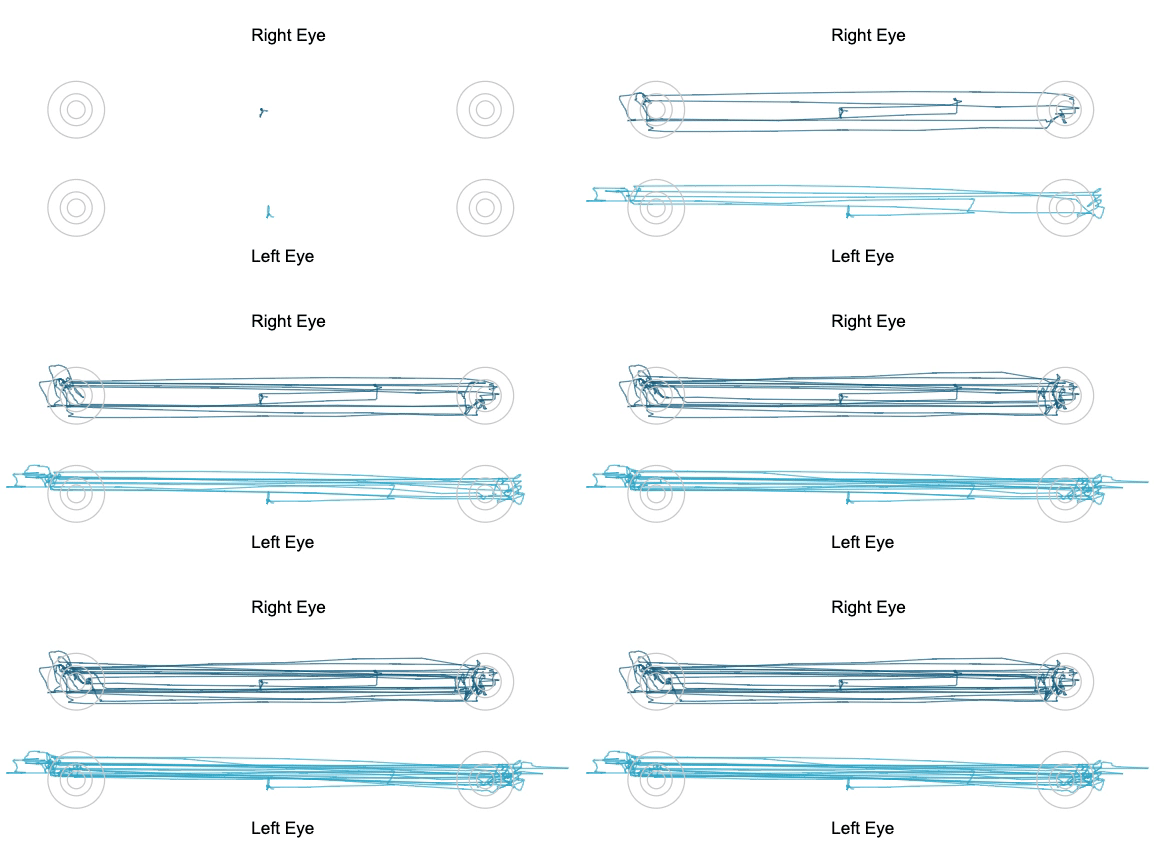
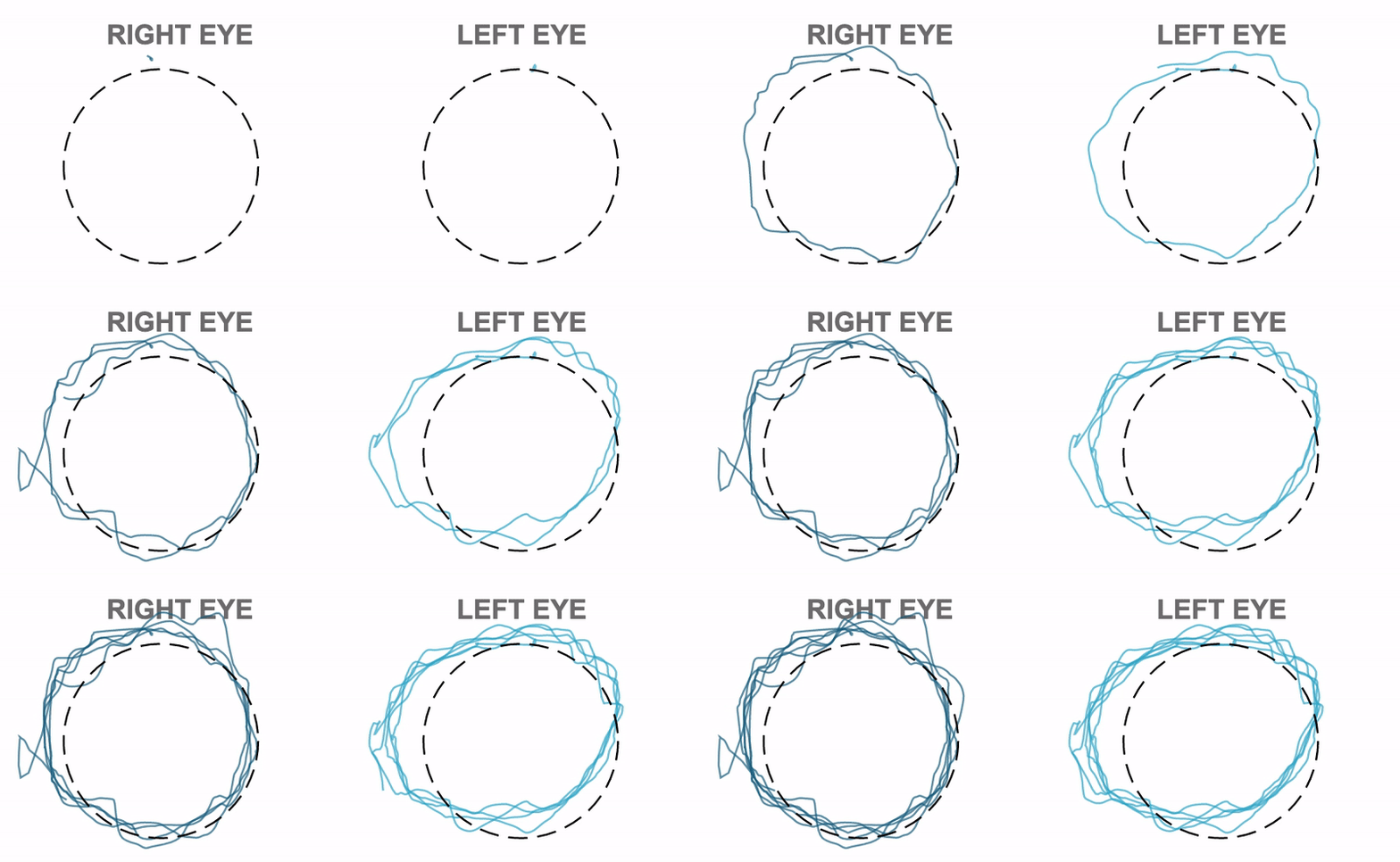
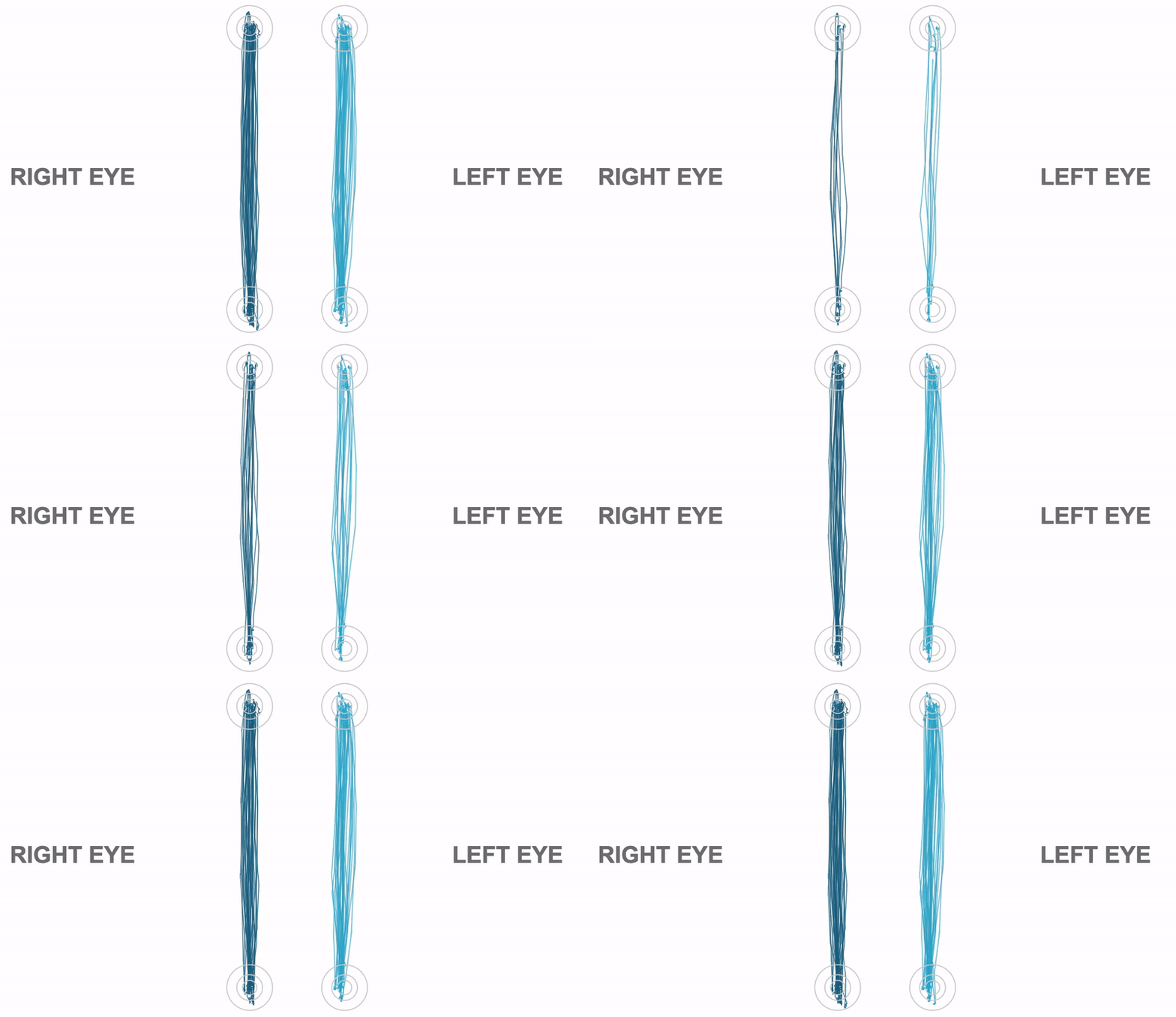
Saccades: Rapid, precise eye movements that shift focus from one point to another—essential for reading, scanning, and visual efficiency. Shows the functional health of the frontal lobe, cerebellum, and midbrain/pons (depending on direction).
-
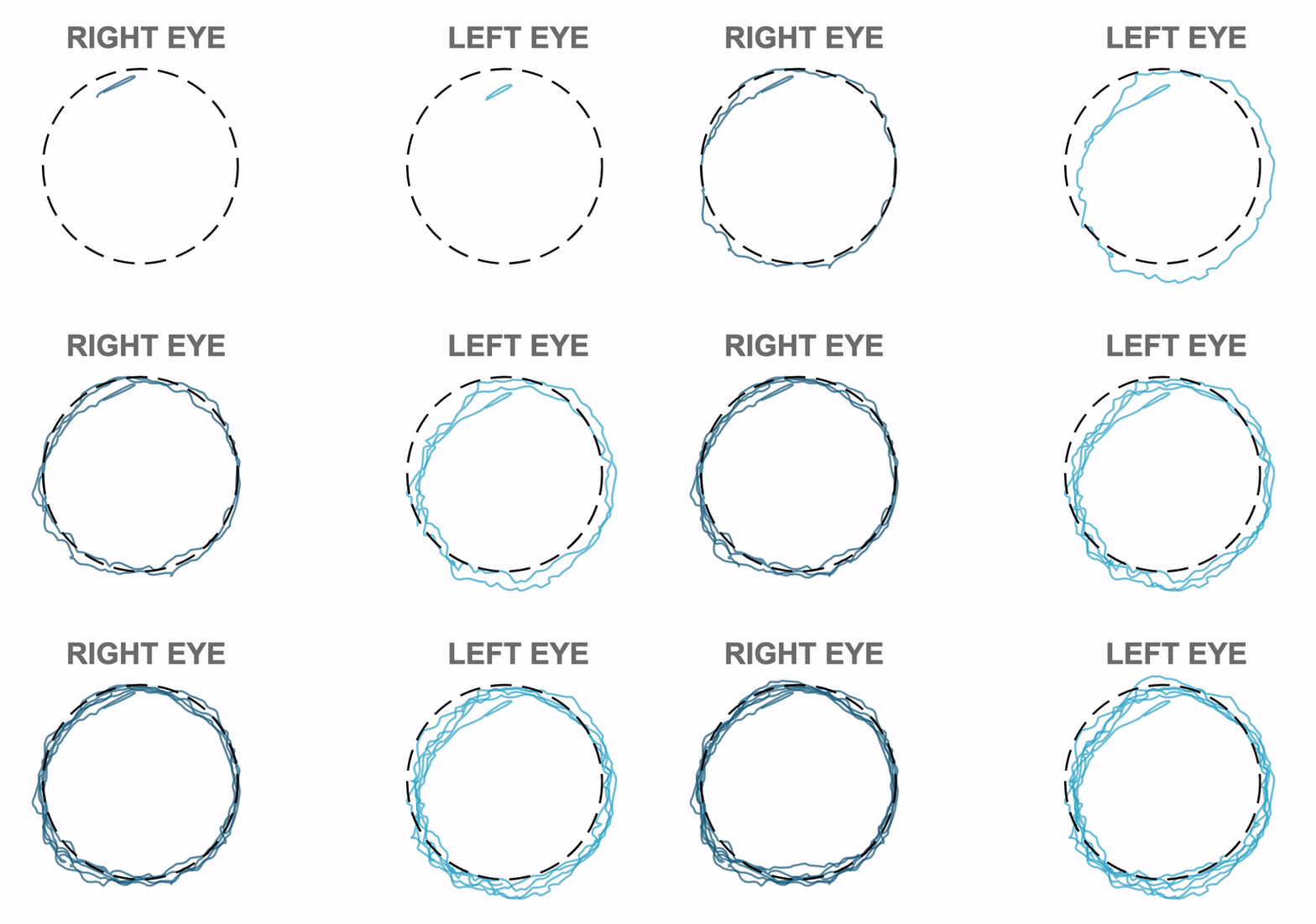
Smooth Pursuits: Controlled tracking movements used to follow moving objects, important for driving, sports performance, and coordination. Shows the functional health of the parietal lobe, cerebellum and pons.
-
Fixations: The ability to maintain steady visual focus on a single point, supporting attention, detail recognition, and reading comprehension. Shows the functional health of the frontal lobe, cerebellum, and midbrain.
-
Vergence: Coordinated eye movements that adjust focus between near and far objects, critical for depth perception and visual comfort. Shows the functional health of the cerebellum and midbrain.
Disruptions in these visual tracking functions can lead to symptoms such as blurred or double vision, poor reading ability, difficulty tracking objects, eye strain, and reduced cognitive performance. RightEye Diagnostic Testing provides a detailed, objective analysis of these dysfunctions to help identify underlying neurological or visual issues.
Unimpaired- Ideal
PURSUITS
Impaired- Needs work
PURSUITS
VERTICAL SACCADES
VERTICAL SACCADES
LATERAL SACCADES


LATERAL SACCADES